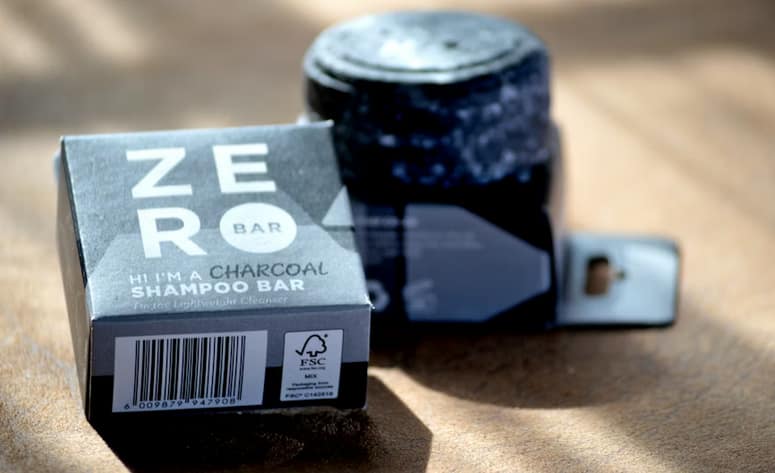
Shampoo bars are a growing trend in the world of hair care. They offer an eco-friendly alternative to traditional liquid shampoos and often contain natural ingredients that promote hair health. However, not all shampoo bars are created equal. Different hair types have unique needs, and selecting the right bar is essential for optimal results. Choosing correctly can improve manageability, shine, and scalp health while supporting sustainable practices
Understanding Your Hair Type
The first step in choosing a shampoo bar according to this detailed shampoo bar review is understanding your hair type. Hair can be fine, thick, curly, wavy, oily, or dry. Each type requires specific ingredients to maintain balance and health. Fine hair may need lightweight formulas to avoid weighing strands down. Thick or curly hair often benefits from moisturizing bars that provide nourishment. Knowing your hair’s texture and needs ensures you pick a product that enhances its natural qualities.
Identifying Scalp Needs
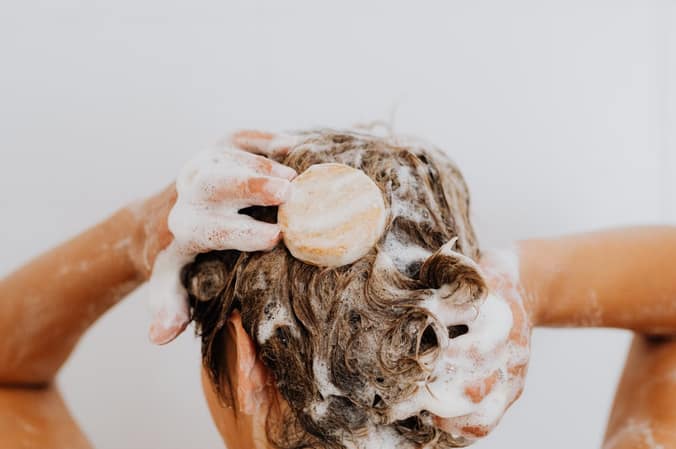
Your scalp plays a critical role in hair health. Some people have dry, itchy scalps, while others experience oiliness or sensitivity. Shampoo bars designed for specific scalp concerns can help restore balance. Ingredients like tea tree oil, aloe vera, or chamomile address irritation and reduce flakiness. Understanding your scalp’s unique needs allows you to select a bar that cleanses without stripping essential oils, promoting long-term health.
Choosing Ingredients Wisely
Ingredients matter when selecting a shampoo bar. Natural oils, butter, and plant extracts provide nourishment and hydration. Bars without sulfates or harsh chemicals are gentler and maintain hair’s natural moisture. Certain botanicals target specific concerns, such as strengthening hair or reducing frizz. Reading labels and understanding the purpose of each ingredient helps make informed choices. Unique combinations of natural ingredients can offer tailored benefits for every hair type.
Considering Hair Porosity
Hair porosity affects how well your hair absorbs and retains moisture. High-porosity hair may require richer oils and conditioning agents. Low-porosity hair benefits from lighter, easily absorbed formulations. Choosing a shampoo bar that complements your porosity ensures moisture penetrates without leaving residue. Understanding this factor adds another layer of personalization to your hair care routine, optimizing results and shine.
Picking the Right Bars: Moisturizing vs. Clarifying

Shampoo bars are often formulated for either hydration or deep cleansing. Moisturizing bars are ideal for dry, frizzy, or damaged hair. They replenish oils and soften strands. Clarifying bars are better for oily hair or product buildup. They remove excess oil and residue, leaving hair light and refreshed. Matching the bar’s purpose to your hair’s current condition is crucial to achieving balanced results. Using the wrong type can lead to dryness or excess oil.
Considering Trial and Adjustment
Even with careful selection, finding the perfect shampoo bar may require trial and error. Hair may react differently to new ingredients or textures. It’s normal to test a few bars before finding one that meets your needs. Monitor your hair’s response over several washes and adjust accordingly. This process ensures your routine is effective, personalized, and sustainable. Taking time to experiment ultimately builds a more confident hair care regimen.
Proper storage extends the life of your shampoo bar and maintains its effectiveness. Keep bars in a dry, well-ventilated container between uses. Avoid leaving them in standing water, as this can soften them prematurely. When using the bar, lather in your hands or directly on wet hair and massage thoroughly. Consistent use, combined with correct storage, helps you maximize the benefits of your chosen shampoo bar.